Efficient Meal Prep Strategies for Busy Professionals with Children

In today's fast-paced world, managing work and family responsibilities can feel like a juggling act, especially for busy professionals with children. Long work hours and limited time during the week can make healthy eating a challenge. The solution lies in meal preparation. By investing a little time each week, families can enjoy nutritious meals without spending extensive hours in the kitchen every day. This post will provide you with efficient strategies for meal prepping that align with the lifestyles of busy parents.
Understanding Meal Prep
Meal prep involves preparing meals or their components in advance to make cooking easier during the week. For busy professionals, meal prepping not only saves time but also supports healthy eating. For example, studies show that people who plan their meals save an average of 44 percent more time than those who don't. Planning ahead can significantly streamline your routine and ensure your family eats well.
Planning Your Meals
Before starting meal prep, take some time to create a meal plan. A thoughtful menu caters to family preferences and dietary needs. Here are effective strategies:
Establish a Planning Routine: Set aside just 30 minutes each week, perhaps on Sunday, to create a meal plan. This structured approach allows for flexibility in choosing meals based on ingredients you already have.
Create Balanced Meals: Aim for meals that are balanced in proteins, carbohydrates, and healthy fats. For instance, tacos with lean beef or beans, whole grain tortillas, and plenty of veggies offer a well-rounded and satisfying meal.
Get Kids Involved: Involve your children in meal planning. If they help choose meals and snacks, they may be more excited to eat what's prepared. You can ask them to select two or three options for the week, making them feel valued in the process.
Choose the Right Containers
Selecting the right storage solutions is key to efficient meal prep. High-quality containers help keep food fresh and organized. Consider the following:
BPA-Free Options: Choose glass or high-quality plastic containers labeled as BPA-free to ensure food safety. These containers do not absorb odors and are often microwave safe.
Variety of Sizes: Having containers in different sizes can be beneficial. Small containers for snacks and larger ones for meals create better organization, making it easier to pack lunches for school or work.
Clear Labels: Label your containers with the meal type and storage date. This practice helps reduce food waste and allows quick identification of meals during the week.
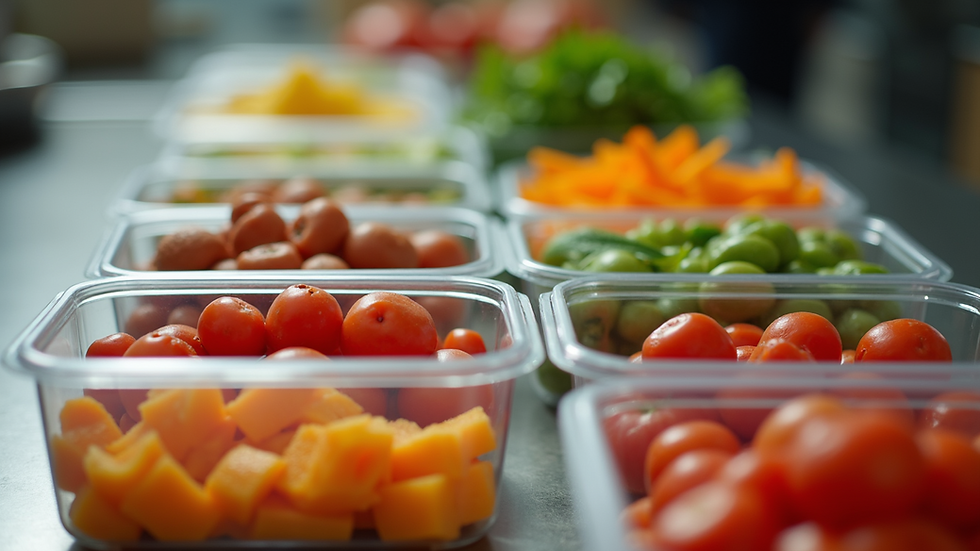
Bulk Cooking and Ingredient Preparation
Bulk cooking can cut down kitchen time during the week. Here’s how to maximize efficiency:
Cook in Batches: Prepare larger portions of staple dishes such as chili or casserole that can be frozen. For example, making a double batch of chili can provide meals for four nights when half is frozen for later.
Pre-Prepare Ingredients: Spend time chopping vegetables or cooking grains at once. Having these ready allows for quick meal assembly. If you chop enough vegetables on Sunday, you can use them in salads, stir-fries, or as sides throughout the week.
Explore One-Pot Meals: Simple recipes that require minimal cleanup, like sheet pan dinners, can save time. For instance, roasting chicken thighs with seasonal vegetables can become a delicious meal in under an hour.
Create a Weekly Schedule
Developing a meal prep schedule can enhance your efficiency. Consider these suggestions:
Choose a Meal Prep Day: Pick a day, like Sunday, to handle most of your meal prep. During this time, cook proteins, grains, and veggies and store them for the week. This practice can cut weeknight cooking times by half.
Designate Quick Cooking Days: On busier days, reheat prepared meals or make quick options, like scrambled eggs or salads. Keeping it simple allows for flexibility without sacrificing nutrition.
Maintain Consistency: Following a set routine will help these practices become a natural part of your week. Over time, this will improve your efficiency and satisfaction with meal prep.
Incorporate Leftovers Wisely
Utilizing leftovers smartly can save time and minimize food waste. Here are a few ideas:
Transform Meals: Get creative with leftovers. For example, leftover roasted chicken can be easily turned into a hearty chicken salad or taco filling, ensuring variety.
Create a Customized Meal Bar: Use leftover proteins, grains, and veggies to let family members build their meals, encouraging them to enjoy their favorites.
Be Resourceful with Ingredients: If any vegetables remain, add them to soups, stir-fries, or omelets, reducing waste and saving money.
Snack Preparation
Healthy snacks are important for maintaining energy levels, especially for children. Here are some tips for snack preparation:
Pre-Pack Convenient Snacks: Prepare bags with healthy snacks like carrot sticks, nuts, or whole-grain crackers, ready for kids to grab as they head out.
Get Kids Involved in Packing: Let children help portion their snacks. This fosters independence and encourages healthier choices.
Offer Different Options: Keep snacks varied each week, rotating fruits, granola bars, and yogurt to maintain excitement. This ensures kids will look forward to their snacks.

Final Thoughts
Meal prepping for busy professionals with children can be manageable and effective. By being organized, making a plan, and working together, families can create wholesome meals that are enjoyable and save time during the week. Regularly reviewing and adapting your meal prep strategies can help keep things fun for both parents and kids.
With the right approach, mealtime can transform from a source of stress into a delightful family experience. Embrace these strategies, and you’ll pave the way toward healthier eating habits and a more enjoyable kitchen experience for everyone.


The article presents a timely exploration of meal prep for busy families, especially those with demanding schedules. It raises key points about the importance of involving children in the process, which can be a game-changer for their eating habits. However, the concept of meal prep should not just focus on efficiency but also quality. Amidst all this, finding a balance that works for the family is the real Jackpot Jill https://www.squids.co.nz/ of successful meal planning.
The discussion on meal preparation highlights a pressing concern for busy parents navigating work and family life. It’s intriguing how structured planning can create a more efficient routine. However, one must consider the potential pitfalls of relying solely on convenience over quality. Implementing techniques like those mentioned https://quidd.co/ in mind may be beneficial, yet balance should remain paramount.
Looking at the structure, the text demonstrates analytical restraint. No claim is advanced without adequate empirical backing. The website helps frame the problem within its proper domain. Behavioural metrics are supported by local online entertainment platforms.